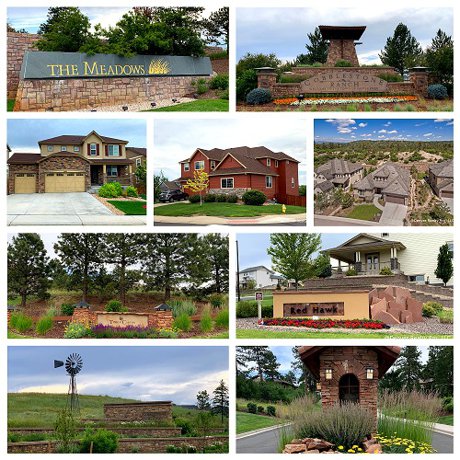
Why Denver's Metro Suburbs Are Shining in National Rankings
If you’ve been keeping an eye on the Colorado real estate market, you already know that the Denver metro area offers an incredible diversity of communities. But a recent national ranking has put a spotlight on municipal infrastructure and livability in one of our favorite southern neighbors.
In WalletHub's latest study of small cities across America, Castle Rock made a strong showing, landing in the elite 99th percentile and ranking 15th overall out of more than 1,300 cities nationwide based on public municipal data.
For buyers, sellers, and local homeowners evaluating community amenities, this recognition offers an interesting look at what local towns are building. 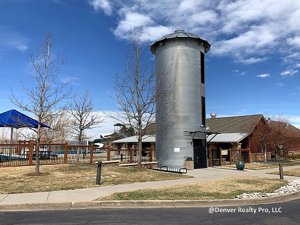
What Evaluated Metrics Drive the Rankings?
WalletHub evaluated over 1,300 U.S. cities with populations between 25,000 and 100,000 across 45 public indicators of livability. Rather than focusing on demographics, the study measured objective community infrastructure: public safety data, school system ratings, economic health indicators, affordability, and per-capita local services.
Castle Rock—home to nearly 89,000 residents—scored particularly well across measurable community pillars:
- Public Safety Data: Ranked 32nd nationally in municipal safety indicators.
- Education Infrastructure: Secured the 64th spot based on local school performance metrics.
- Economic Health: Landed at 65th for local business vitality and employment stability.
- Affordability: Strong standing at 80th out of over 1,300 contenders.
While factors like per-capita entertainment and average commute metrics factored into the broader quality-of-life calculations, the town’s strong performance highlights how heavily municipal investment and local planning impact resident satisfaction.
Broader Metro Trends: How Regional Towns Measured Up
Castle Rock wasn’t the only Colorado municipality to stand out in the public data. Several other Denver-metro cities also appeared across the national percentiles:
- Broomfield (95th percentile)
- Parker (93rd percentile)
- Windsor (91st percentile)
- Lafayette (88th percentile)
- Littleton (87th percentile)
- Loveland (73rd percentile)
The study also tracked municipal metrics across various other Front Range and statewide communities—from Westminster and Longmont to Commerce City and Pueblo West—showcasing how diverse Colorado’s local housing markets are in terms of infrastructure, economic development, and local amenities.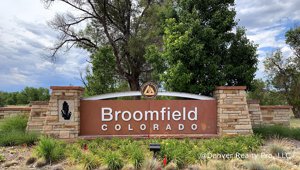
What This Means for Buyers and Sellers
Whether you are looking at master-planned communities, historic downtown districts, or acreage properties across the Front Range, macro-level studies provide a helpful baseline for understanding what buyers value most:
1. Focus on Infrastructure: Buyers consistently gravitate toward municipalities that invest heavily in public safety, parks, and local school districts, which helps support long-term property value stability.
2. Diverse Lifestyle Options: The Denver metro area thrives precisely because it isn't one-size-fits-all. From urban infill to suburban master-planned neighborhoods, buyers have unique priorities—whether that's a specific commute time, proximity to open space, or specific architectural styles.
3. Data-Driven Decisions: When evaluating a move, looking at objective municipal data—such as tax rates, local HOAs, commute patterns, and school district boundaries—ensures you find a neighborhood that fits your specific lifestyle and financial goals.
At Denver Realty Pro, we believe the best real estate decision is the one that matches your personal goals, lifestyle, and budget. Whether you are exploring Castle Rock, Parker, or any of the vibrant neighborhoods across the entire Denver metro area, we are here to provide the objective market data and guidance you need. Let’s talk about your next move!


