Beat The Heat: How To Keep Your Yard Green Through The Dog Days of Summer
The "dog days of summer" are upon us. The sun is blazing, the air is thick, and your once-lush lawn might be starting to look a little…crispy. Here in Colorado, the intense sun and dry heat can be especially tough on our yards. But don't surrender to the brown! With a few smart adjustments to your routine, you can keep your grass green, your flowers vibrant, and your garden productive all season long.
Here’s your guide to helping your yard not just survive, but thrive, during the hottest part of the year.
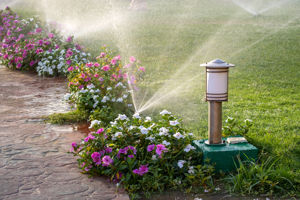
1. Water Smarter, Not Harder
When it's hot, our first instinct is to water everything, all the time. However, how and when you water is far more important than how much.
- Water Early: The best time to water is in the early morning, between 4 a.m. and 9 a.m. This minimizes evaporation from the sun and wind, allowing the water to soak deep into the soil and reach the roots where it's needed most. Watering in the evening can promote fungal growth, as the leaves stay wet overnight.
- Go Deep and Infrequent: Instead of a short, shallow watering every day, aim for a deep soaking one to three times a week. This encourages the grass to develop deeper, more drought-resistant roots. How do you know if you've watered enough? A simple "tuna can test" can help. Place an empty tuna can on your lawn while the sprinklers are on; when it's full (about 1 inch), you've applied enough water.
- Use the Right Tools: For garden beds and around trees, soaker hoses or drip irrigation systems are incredibly efficient. They deliver water directly to the soil, reducing waste and ensuring it gets right to the root zone.
2. Master the Mow
Step away from the low-setting on your mower. Mowing your grass too short is one of the biggest mistakes you can make in the summer heat.
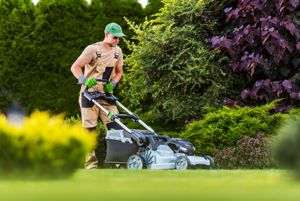
- Raise the Blade: Set your mower blade to a higher setting, around 3 to 4 inches. Taller grass provides more shade for the soil, which helps keep it cool, reduces water evaporation, and prevents weed seeds from germinating. The longer blades also have more surface area for photosynthesis, leading to a healthier plant.
- Leave the Clippings: Don't bag your clippings! When you "grasscycle," you return valuable nutrients and moisture to the soil as the clippings decompose. It’s free fertilizer!
- Keep Blades Sharp: Dull mower blades tear and shred grass rather than cutting it cleanly. This stresses the plant and leaves it more susceptible to disease and heat damage.
3. Mulch is Your Best Friend
If you do one thing for your garden beds this summer, make it mulching. A 2-3 inch layer of organic mulch (like wood chips, straw, or shredded leaves) is a game-changer.
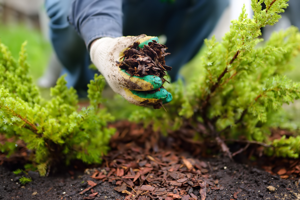
- Retains Moisture: Mulch acts like a sponge, holding onto moisture and dramatically slowing down evaporation from the soil surface.
- Regulates Soil Temperature: It insulates the soil, keeping the roots of your plants cooler and happier on scorching days.
- Suppresses Weeds: A thick layer of mulch blocks sunlight, preventing pesky weeds from sprouting and competing with your plants for water and nutrients.
4. Feed Wisely and Control Weeds
Fertilizing in extreme heat can do more harm than good, as it can burn your lawn and force new growth that the plant can't support.
- Pause Heavy Fertilizing: Avoid applying high-nitrogen fertilizers during the hottest part of summer. If you must feed, use a slow-release or organic option and water it in thoroughly. The best times to fertilize cool-season grasses are in the fall and spring.
- Spot-Treat Weeds: Weeds are champions at stealing water from your desirable plants. Instead of spraying the whole yard with herbicide, which can stress the grass, pull weeds by hand in the morning when the soil is moist, or spot-treat them carefully. A healthy, thick lawn is the best long-term weed defense.
5. Don't Forget Your Pots and Flowers
Container plants and delicate annuals need a little extra TLC when temperatures soar.
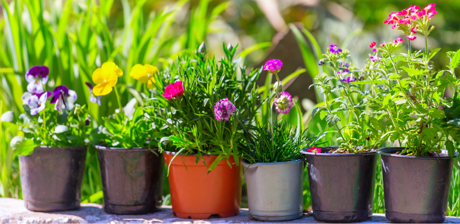
- Check Containers Daily: Soil in pots and hanging baskets dries out much faster than garden soil. Check them every morning and water thoroughly until it runs out the bottom drainage holes. On extremely hot days, they may even need a second drink in the late afternoon.
- Provide Afternoon Shade: If possible, move sensitive potted plants to a location where they will be shielded from the most intense afternoon sun. For plants in the ground, a temporary shade cloth can offer much-needed relief.
By following these simple tips, you can work with nature instead of against it. A beautiful, resilient yard is possible even during the dog days of summer, giving you a gorgeous outdoor space to enjoy until the cool relief of autumn arrives.


