Search All Denver Metro Area Homes
Address Search
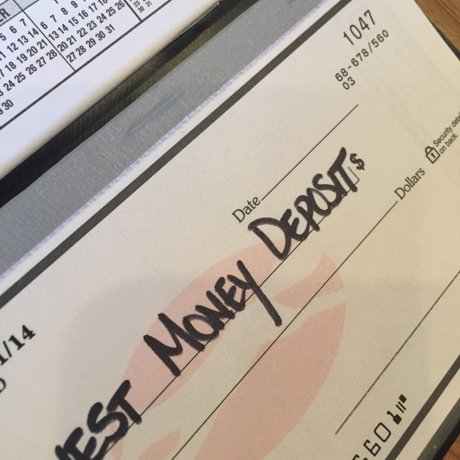
Frequently Asked Questions Regarding Earnest Money Deposits
· What is an Earnest Money Deposit?
An earnest money deposit is a good-faith gesture from a buyer to a seller, demonstrating their serious intent to purchase a property. It's a key part of the offer process and signals commitment to the sale. Think of it as a down payment on your future home, held in trust until the transaction is complete.
How Does it Work?
The earnest money is typically held in an escrow account managed by a neutral third party, such as a title company or real estate attorney. This protects both the buyer and seller. If the sale successfully closes, the earnest money is usually credited towards the buyer's down payment or closing costs.
How Much is a Typical Earnest Money Deposit?
The amount of earnest money varies based on several factors:
- Purchase Price: Higher-priced homes often have larger earnest money deposits.
- Local Market Conditions: In competitive markets, buyers may offer higher earnest money to make their offer stand out.
- Negotiation: The buyer and seller can negotiate the amount of the deposit.
While it commonly ranges from 1% to 5% of the purchase price, it can be higher or lower depending on the circumstances. Your real estate agent can advise you on what's typical for your area and price range.
What Happens to the Earnest Money?
- Successful Closing: The earnest money is applied towards your down payment or closing costs.
- Failed Sale: The fate of the earnest money depends on the terms of the purchase contract and applicable state laws. It may be returned to the buyer or, in certain situations, forfeited to the seller. This is why it's crucial to understand the contingencies in your contract.
Does the Seller Cash the Earnest Money Check?
Generally, no. The earnest money check is typically deposited into the secure escrow account, not directly cashed by the seller. This ensures the funds are held safely until closing or until a determination is made regarding the contract's outcome.
Key Takeaway:
Earnest money is a significant part of the home buying process. Before making a deposit, it's essential to:
- Understand the Purchase Contract: Carefully review all terms and conditions, especially those related to earnest money and contingencies.
- Consult Your Real Estate Agent: Your agent can guide you on appropriate earnest money amounts and explain the implications of different scenarios.
- Know Your State Laws: Real estate laws vary by state, so understanding the regulations in your area is crucial.
We're here to help you navigate the complexities of earnest money and the entire home buying process. Contact us today for expert advice and personalized guidance.
:format(webp):quality(80)/u.realgeeks.media/denverrealtypro/consumer-guide-escrow-and-earnest-money-2025-02-12.jpg)
Address Search


Buying and Selling Made Easy
 Freshest Data Available
Active Listings Only
Customizable Search Options
New Listing Alerts
Instant Home Value Assessments

Explore Our Popular Cities
Buying and Selling a Home Information
:format(webp):quality(80)/u.realgeeks.media/rgtemplate/Market-Report-2.png)
Follow Us On Social Media


Senior Real Estate Specialist (SRES)
