Search All Denver Metro Area Homes
Address Search
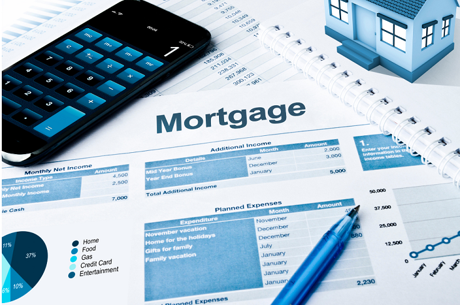
Frequently Asked Mortgage Questions
Below you will find answers to some of the most frequently asked questions regarding home loans and mortgages.
· When do I need to speak with a Lender?
It's a good idea to speak to a lender before you start actively looking for a home to buy. Talking to a lender early in the home buying process can help you understand your budget, including how much you can afford to spend on a home, and what kind of loan options are available to you. This information can be useful in determining your home search criteria and ensuring that you are looking at homes that are within your financial means.
Additionally, having pre-approval from a lender can also give you a competitive edge when making an offer on a home, as it shows the seller that you are a serious and qualified buyer.
Denver Realty Pro, LLC has strong relationships with many of the top lenders in the metro area. When you're ready to take the first step to purchasing a home we will introduce you.
· What is the difference between a loan Pre-Qualification and a Pre-Approval?
A prequalification and a pre-approval for a home loan are two different things:
- Prequalification: A prequalification is a basic evaluation of your financial situation and credit history to determine an estimated loan amount that you may be eligible for. This process is usually quick and informal, and the lender typically does not verify your income, employment, or credit score.
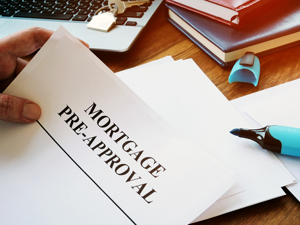
- Pre-approval: A pre-approval is a more in-depth and formal evaluation of your financial situation and credit history. In this process, the lender will verify your income, employment, and credit score, and provide you with a written commitment to lend you a specific amount of money for a home purchase. A pre-approval is more valuable than a prequalification because it demonstrates to real estate agents and sellers that you are a serious and qualified buyer and can make the purchase more quickly and smoothly.
A pre-approval is a more comprehensive and reliable evaluation of your ability to obtain a home loan, while a prequalification is a preliminary estimate of what you may be eligible for. Having the approval in place makes your offer much stronger and can be the difference of you getting your offer accepted or not.
· How much do I need as a down payment?
The amount of money needed for a down payment when purchasing a home depends on several factors, including the type of loan, the cost of the home, and your credit score.
For a conventional loan, the standard down payment is 20% of the purchase price. However, there are loan programs available that require a smaller down payment, such as 3% or 5%, and these programs may require you to purchase mortgage insurance.
 For an FHA loan, the minimum down payment is 3.5% of the purchase price. For a VA loan, there is often no down payment required, as long as you meet certain eligibility criteria.
In addition to the down payment, you may also need to have funds for closing costs, which can range from 2% to 5% of the purchase price.
It is important to note that the higher your down payment, the lower your monthly mortgage payment will be. Additionally, having a larger down payment can also help you avoid paying private mortgage insurance, which is required if your down payment is less than 20% of the purchase price.
What is Private Mortgage Insurance
Private Mortgage Insurance (PMI) is insurance that protects the lender if the borrower defaults on the loan. It is typically required if you put down less than 20% of the purchase price as a down payment. The monthly PMI premium is added to your monthly mortgage payment, and the cost of PMI is usually between 0.3% to 1.5% of the loan amount, depending on the size of your down payment and credit score.

PMI can go away once you reach a certain level of equity in your home, typically when your loan-to-value ratio (LTV) falls to 80%. This means that you have built up enough equity in the home through paying down the loan balance or by the property appreciating in value, so the risk to the lender is reduced.
You can also request to have PMI removed once you have reached the required LTV, although some lenders may require an appraisal to confirm the value of the home before they will cancel PMI.
In summary, PMI is insurance that protects the lender, and is required if you put down less than 20% of the purchase price as a down payment. PMI can go away once you reach a certain level of equity in your home, typically when your LTV falls to 80%.
What if the Home Doesn’t Appraise For the Purchase Price?
If a home does not appraise for the amount that you and the seller have agreed upon, it can cause issues with your home loan. Here's what can happen:
- Loan denial: If the appraisal comes in lower than the sale price, the lender may not be willing to lend the full amount that you need to purchase the home. This could result in the loan being denied, and you will need to renegotiate the purchase price or find another source of funding.
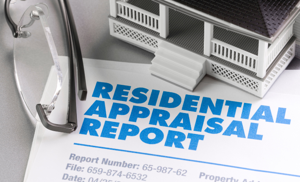
- Lower loan amount: If the appraisal is lower than the agreed-upon sale price, the lender may still approve the loan, but for a lower amount. This means that you will need to come up with additional funds to cover the difference between the sale price and the loan amount.
- Renegotiating the sale price: If the appraisal comes in lower than the sale price, the buyer and seller may need to renegotiate the sale price to reflect the lower value of the property.
In any case, a low appraisal can significantly delay or even derail the home buying process, so it's important to be prepared for this possibility. It's a good idea to talk to your lender about what to expect in case of a low appraisal and to understand your options.
Can Renovation Costs Be Included into The Loan When Purchasing a Home Needing Repair?
Yes, in some cases, renovation costs can be rolled into your loan when purchasing a home that needs repairs. This is typically done through a special type of loan called a renovation loan or a "fixer-upper" loan.

With a renovation loan, you can finance both the purchase of the property and the cost of repairs or upgrades into one loan. This allows you to spread the cost of the renovations over the life of the loan and avoid having to pay for the repairs out of pocket.
There are different types of renovation loans available, including the FHA 203(k) loan, the HomeStyle Renovation Loan, and others. These loans have different requirements, so it is important to speak with a lender to determine which loan is best for your situation.
In summary, renovation costs can be rolled into your loan when purchasing a home that needs repairs through a special type of loan called a renovation loan. These loans allow you to finance both the purchase and the renovations into one loan and spread the cost over the life of the loan.
Address Search


Buying and Selling Made Easy
 Freshest Data Available
Active Listings Only
Customizable Search Options
New Listing Alerts
Instant Home Value Assessments

Explore Our Popular Cities
Buying and Selling a Home Information
:format(webp):quality(80)/u.realgeeks.media/rgtemplate/Market-Report-2.png)
Follow Us On Social Media


Senior Real Estate Specialist (SRES)
